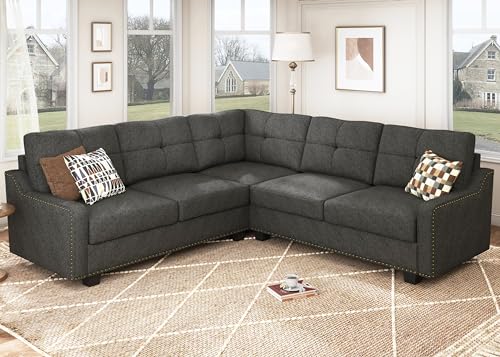
Understanding Traditional Sofas: A Timeless Comfort
In the realm of home decor, traditional sofas hold a special location. These elegantly created pieces use not just convenience but also an aesthetic that complements a vast array of interior styles. From classic styles to elaborate craftsmanship, traditional sofas represent a delightful blend of history and functionality.
What Defines a Traditional Sofa?
Traditional sofas often draw motivation from historic style elements, typically including lavish upholstery, ornate information, and a general air of elegance. These pieces vary in design, but they typically share numerous crucial attributes:
- Classic Silhouettes: Traditional sofas often boast curved lines, rolled arms, and tufted backs.
- Rich Fabrics: Upholstery made from high-quality materials such as velour, silk, or brocade prevails, with patterns ranging from florals to damask.
- Intricate Details: Carved wood legs, nailhead trim, and fringe details frequently adorn these pieces, emphasizing their artistic craftsmanship.
- Comfort-Centric Design: Beyond aesthetic appeals, these sofas are created for convenience, featuring well-padded cushions and encouraging frames.
Below is a table summing up the essential features of traditional sofas:
| Feature | Description |
|---|---|
| Shape | Curved lines, rolled arms, and tufted backs |
| Fabric | High-quality materials like velvet and silk |
| Details | Carved wood, nailhead trim, intricate patterns |
| Comfort | Well-padded cushions and supportive structures |
Popular Styles of Traditional Sofas
Traditional sofas come in different styles, each boasting its special history and beauty. Here are some of the most recognized styles:
1. Chesterfield Sofa
Characterized by its deep button-tufting and rolled arms, the Chesterfield sofa is an icon of elegance. It is typically upholstered in leather, making it a staple in advanced settings.
2. Camelback Sofa
The Camelback sofa features a distinctive arch in its back-rest that looks like a camel's hump. This style adds an element of visual interest to any living room.
3. Lawson Sofa
Known for its blocky shape and loose cushions, the Lawson sofa prioritizes convenience without compromising on style. It's typically decorated with timeless patterns or easy fabrics.
4. Tuxedo Sofa
The Tuxedo sofa has straight arms that are the very same height as the back, supplying a sleek, customized look. It's best for modern homes that still value traditional touches.
5. Sofa
This smaller sized, 2- or three-person sofa often acts as an accent piece. Its much shorter length and fragile style make it ideal for corridors or small living locations.
Here's a fast reference table to assist envision these styles:
| Style | Characteristics | Ideal For |
|---|---|---|
| Chesterfield | Deep button-tufting, rolled arms | Sophisticated interiors, formal settings |
| Camelback | Arching backrest | Traditional or eclectic decor |
| Lawson | Boxy shape, loose cushions | Cozy living-room |
| Tuxedo | Straight arms, equal height with back | Modern designs with classic flair |
| Sofa | Smaller sized size, delicate style | Small areas |
The Advantages of Traditional Sofas
Investing in a traditional sofa offers a number of benefits, which include:
- Timeless Appeal: The traditional styles make sure that these sofas never ever head out of style, making them a long-term furniture investment.
- Adaptability: Traditional sofas can blend perfectly with various decor styles, from contemporary to vintage.
- Quality Craftsmanship: Many traditional sofas are made from high-quality materials, making sure resilience and longevity.
- Convenience: Generously padded and created for relaxation, they provide a cozy area for friends and family.
Taking care of Your Traditional Sofa
To ensure that your traditional sofa keeps its beauty over the years, correct care is vital. Here are some necessary maintenance suggestions:
1. Routine Cleaning
Dusting and vacuuming the sofa frequently will assist keep it tidy. Use a soft brush to prevent damaging the fabric.
2. Avoid Direct Sunlight
To avoid fading, position your sofa far from direct sunlight. Consider window treatments that can shield it from extreme rays.
3. Area Cleaning
For spills, address them right away utilizing a clean, absorbent cloth. Sofas And Couches cleaning options on a small concealed area to ensure compatibility with the fabric.
4. Professional Upholstery Cleaning
Consider scheduling professional upholstery cleansing every few years to rejuvenate the fabric and keep its vibrancy.
5. Air Out the Sofa
When in a while, offer your sofa space to breathe. Get rid of cushions and vacuum underneath to avoid dust build-up.
Frequently Asked Questions (FAQs)
Q1: How do I pick the right size traditional sofa for my living space?A1: Measure your area before shopping. Think about doorways, corridors, and the total design of the room to make sure an appropriate fit. Generally, a sofa ought to permit for sufficient walking space around it. Q2: What fabrics are best for traditional
sofas?A2: Fabrics like velvet, silk, and high-quality cotton
are typically utilized for traditional sofas. They use beauty and resilience, though they might require particular care. Q3: Are traditional sofas ideal for small spaces?A3: Absolutely! Try to find loveseat or settee styles that supply traditional charm without frustrating your area. Q4: How do I know if a traditional sofa is well-constructed? A4: Check for a tough frame made from wood, high-density foam cushions, and a weight that recommends quality products. Prevent sofas that are too lightweight as they might do not have durability. Traditional sofas embody a sophistication that boosts any living area while offering comfort and inviting relaxation. With a variety of styles readily available
, choosing the ideal traditional sofa can produce a classic centerpiece in your house. By understanding the characteristics, styles, benefits, and maintenance of these classic pieces, you can make an informed choice that will serve both type and function for many years to come.